Capstone
Letter of Credit using Blockchain
Created by: Tereza Abovyan, Garik Gevorgyan, Roman Harutyunyan, Karen Hovhannisyan, Anush Ghazaryan
Supervisor: Dr. Garegin Gevorgyan
May 10 2018
Content
- Letter of Credit
- Inefficiencies in Letters of Credit
- Blockchain as Solution
- Challenges
- Practical Illustration
- Inferences
Trade finance is a fuel to $16 trillion
international trade market.
Letter of credit is a commitment by a bank on behalf of the buyer to make the payment to the seller if:
- the terms and conditions are met
- all the required documents are present
traditonal letter of credit
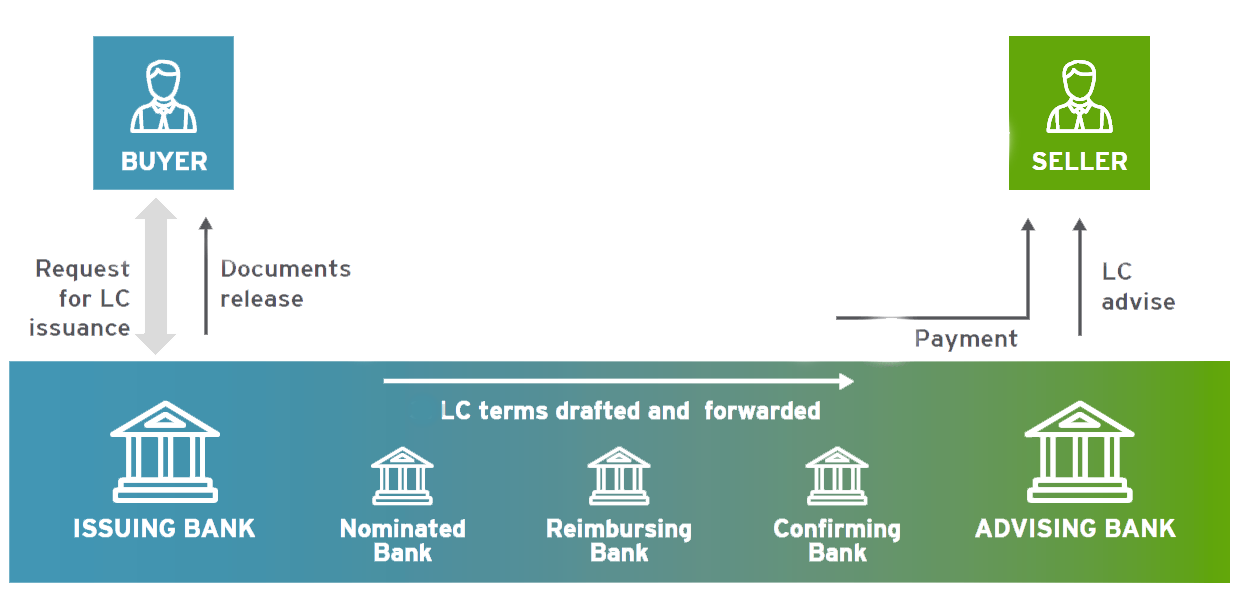
Types of Letter of Credit

Confirmed/Unconfirmed

Revocable/Irrevocable

Restricted/Unrestricted

Transferable/Nontransferable

Straight/negotiable
Required Documents
 Official
 Cerificate of origin

Financial
Bill of exchange
 Transport
 Bill of Lading
 Insurance
 Insurance certificate
 Commercial
 Sale contract
Characteristics of letter of credit
 Applicability
 Customizable
 Issuing bank
 is independent
 Transfers the creditworthiness

Risks

No quality objections

Certainty
 "Pay now,
 litigate later"
Activities using letters of credit account for
12.5% in the international trade,
or $2.3 trillion.too difficult
takes too long to get paid
the banks never pay me on the first presentation
Problems with Documentation
- limited information
- strong reliance on documentary proof
- adds to cost of doing business
- governing rules can be misused
- high discrepancy rates
- long verification process
- costs rise close to expiration date
why too much discrepancies?
- complicated and strict rules
- lack of resources to hire a specialist
- little allocated time to understand
- almost impossible conditions by banks
- issuance of foggy LoC
- strict examination of document
problems with Small and Medium Enterprises
Gap in trade finance: $1.5 trillion
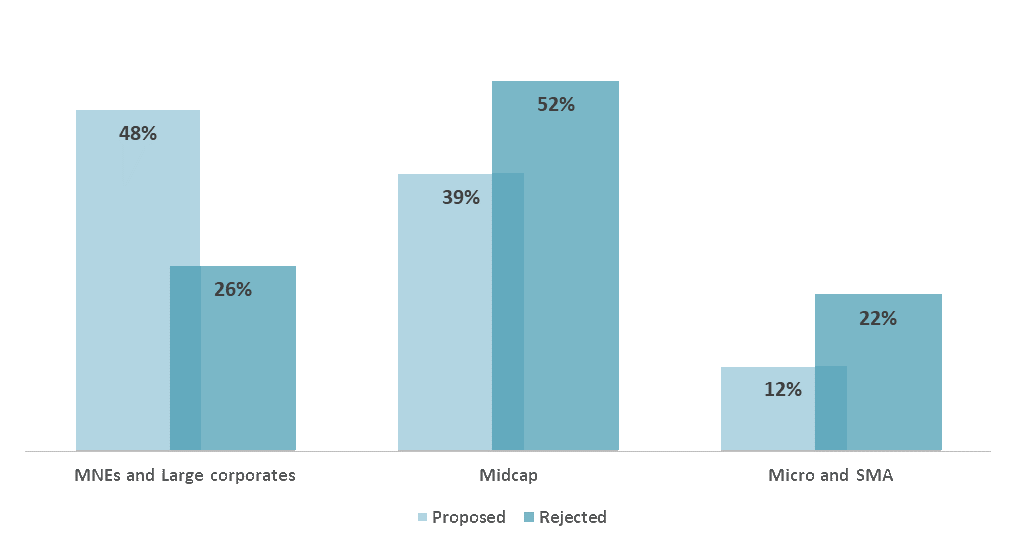
Why rejections happen?
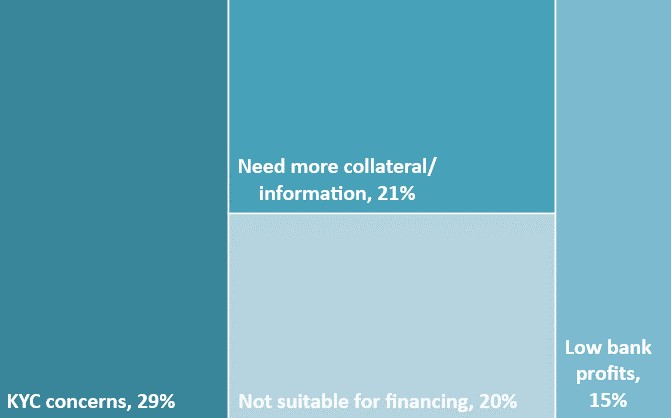
Problems with Costs
Factors affecting costs:
- Issuing bank charges
- Higher the LoC amount, higher the charges
- The more risky, the higher the fees
- How the charges are shared between seller and buyer?
- The longer the payment due, the higher the charges
Other issues

Currency
fluctuations

Geographical
issues

No Common
platform
Evolution of innovations



Blockchain is a secured distributed ledger among all participants over a network of interconnected computers.
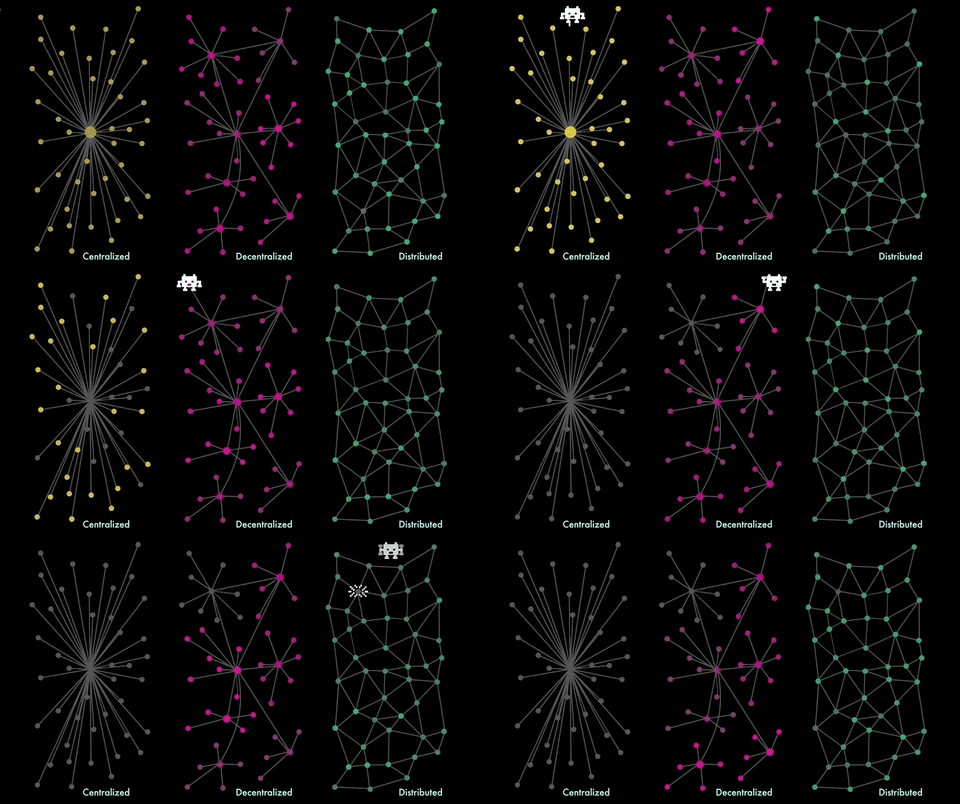
Blockchain features
- Immutability and credibility
- Transparency and traceability
- Consensus mechanism
- Scalability
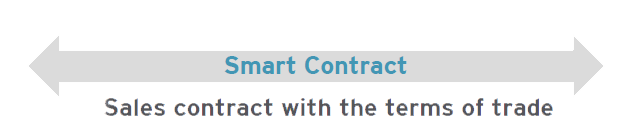
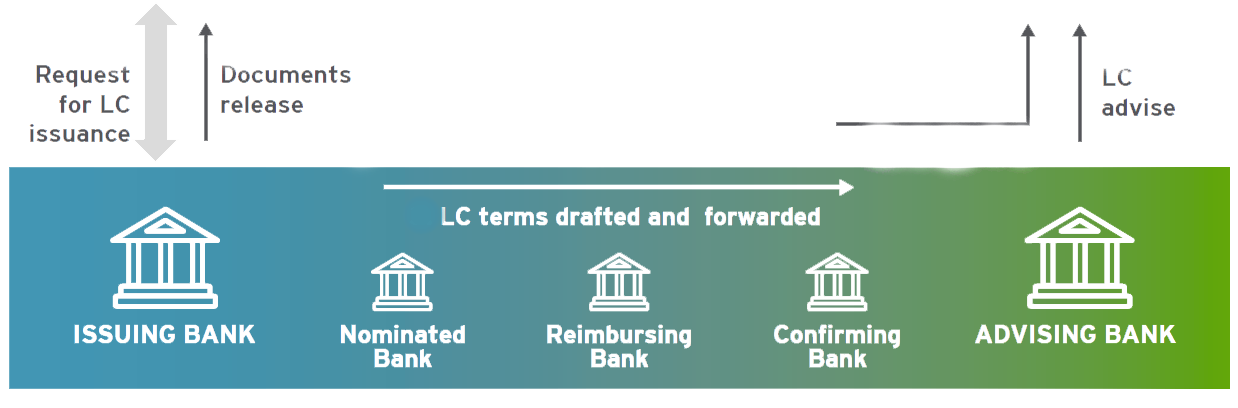
Automation through Smart Contracts


What blockchain brings?

Peer-to-Peer
Trustless

Reduced ambiguities

Exactness

Integrity

No
documentation

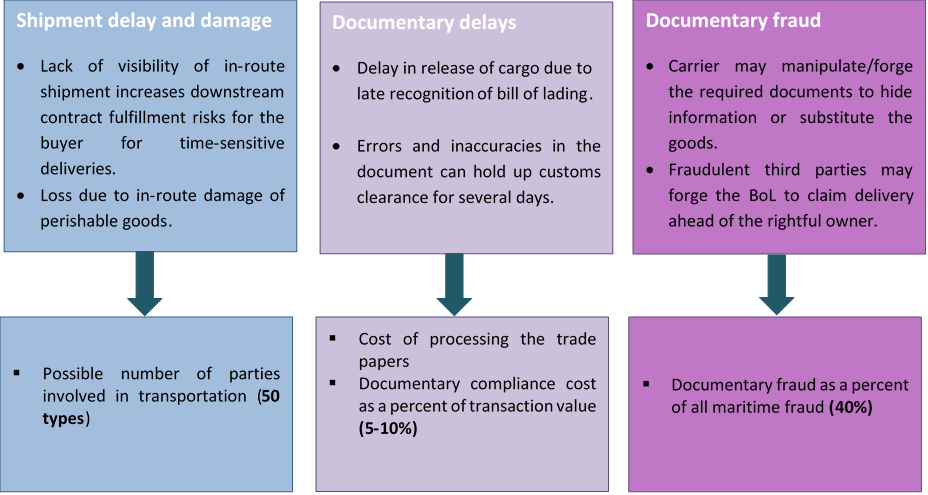
Problem identification

Multi-signatory mechanism
identified problems in
delivery assurance
What blockchain brings through
asset tokenization?

Delivery
assurance
 Real-time
 shipment

In-route
visibility

Risk
management
related risks
- connecting parties
- information sharing
- fraud
- duplicate financing
- fake receivables
- reputational damage
- lawsuits and penalties
- business risks for banks
What blockchain offers?
 Fraud reduction

Direct issuance
 SME Financing
 No payment
delays
 Reduced business risk
blockchain benefits in letter of credit
- reducing contractual ambiguities and errors
- discovery of discrepancies through data sharing
- reducing LoC amendment time and costs through digitization
blockchain challenges
Regulatory
status

Privacy
concerns

Software
vulnerability

Integration
concerns
 Understading
 the technology
 Decentralized
 nature

Cultural
acceptance
 Initial
 implementation
Practical Illustration
of Credit
Received Goods
issuance
of goods
Contract
Received Payment
inferences
The long anticipated disappearance of the documentary letter of credit.
Letters of Credit are used only in 12.5% of global trade due to process inefficencies
Blockchain-enabled Letter of Credit can effectively deal with identified problems in trade finance
but...
...there are challenges
- regulatory framework
- awareness of the technology
- implementation